
What Causes Blocked Drains in Adelaide Homes and How to Prevent Them
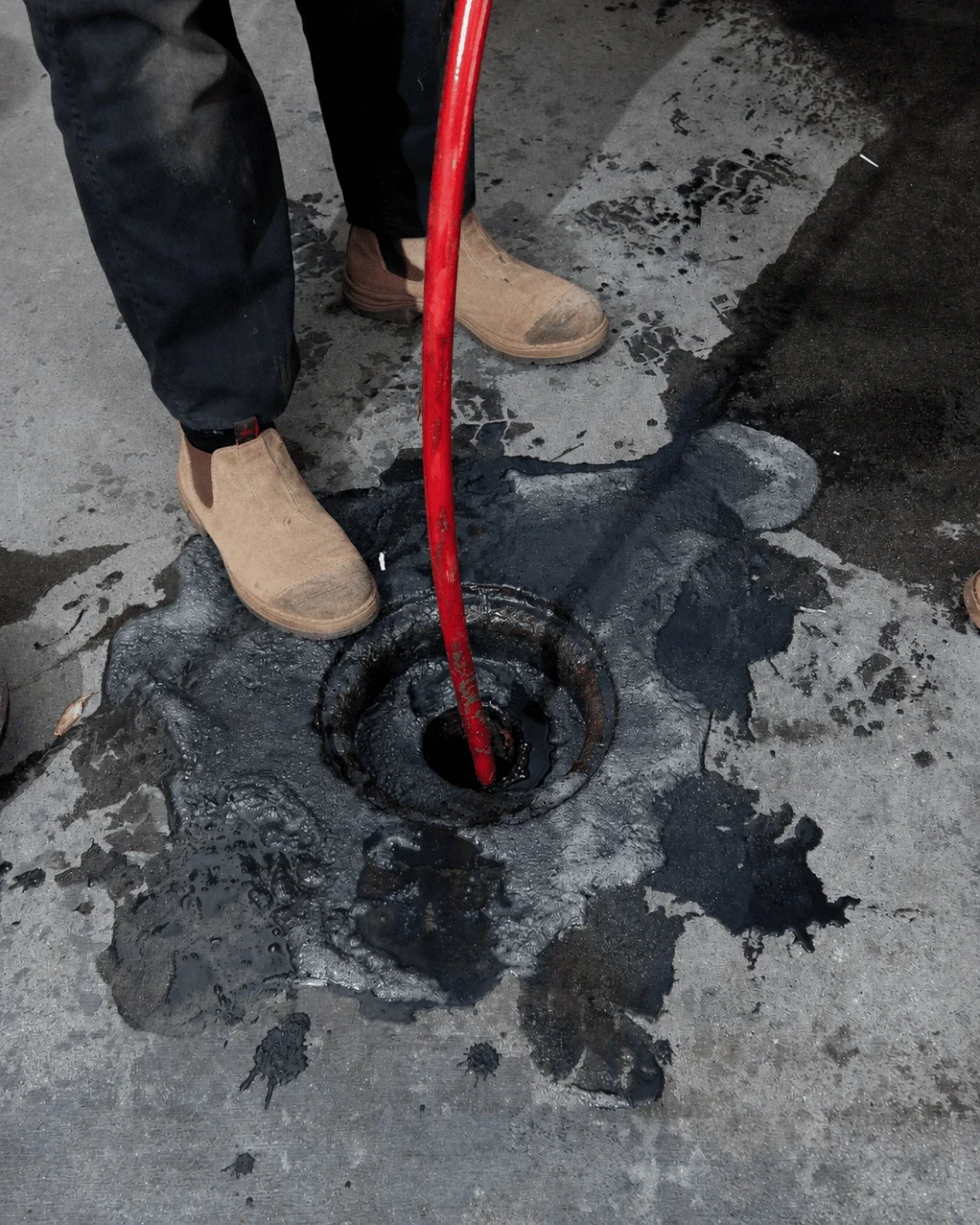
If you've had a blocked drain cleared and it's come back a few months later, the clearing itself wasn't the problem. The underlying cause is still there.
Adelaide homes, particularly those built in the 1950s through to the 1980s, are prone to recurring drain issues. The combination of old earthenware drains, established tree cover and Adelaide's reactive clay soils means blockages are one of the most common plumbing problems we deal with.
In this guide, we'll go through the main reasons drains block in Adelaide, what makes certain properties more prone to problems, and practical steps you can take to reduce the risk.
Why Adelaide Homes Are Prone to Blocked Drains
It's not a coincidence that we see more blocked drains in certain suburbs. The housing stock, soil type and vegetation all play a role.
Old earthenware drains
Many Adelaide homes built before the 1980s were plumbed with earthenware (clay/ceramic) drainage pipes. These were standard at the time, but they have limitations that cause problems decades later.
Earthenware pipes are joined with rubber rings or cement mortar. Over time, these joints shift, crack or deteriorate, creating gaps where tree roots can enter and debris can accumulate. Unlike modern PVC drainage, earthenware doesn't flex with ground movement, so it's more susceptible to cracking.
If your home is more than 40 years old and you haven't had the drains inspected, there's a reasonable chance the original earthenware is still in the ground.
Reactive clay soils
Much of Adelaide's southern and western suburbs sit on reactive clay soils. These soils expand when wet and shrink when dry, and that seasonal movement puts pressure on underground pipes.
Over time, this movement can shift pipe joints out of alignment, crack pipe walls, and create low points where debris collects. It's a slow process, but it's one of the main reasons older drainage systems fail.
Established tree cover
Adelaide is a well-treed city, and that's generally a good thing. But large, established trees with extensive root systems can cause significant problems for drainage.
Tree roots are drawn to moisture. Even a small crack or gap in a pipe joint is enough for fine roots to enter the drain. Once inside, the roots grow and create a net that catches everything flowing through, from toilet paper to grease. This is what we call tree root intrusion, and it's one of the most common causes of blocked drains we see across Brighton, Glenelg, Warradale and the wider Marion area.
The species matters too. Trees like Moreton Bay figs, liquidambars and some eucalyptus varieties are known for aggressive root systems that can travel significant distances to reach a moisture source.
The Most Common Causes of Blocked Drains
While the factors above make Adelaide properties more susceptible, the actual blockages are usually caused by a combination of issues.
Tree root intrusion
As described above, tree roots enter through damaged joints or cracks and grow inside the pipe. This is the number one cause of sewer drain blockages in the suburbs we service.
A CCTV camera inspection of the sewer drain is the most reliable way to identify root intrusion. The camera shows exactly where the roots have entered, how much growth there is, and whether the pipe itself is still in reasonable condition.
Grease and fat build-up
Cooking fats, oils and grease are a major contributor to blocked kitchen drains. They flow into the drain as liquid and solidify as they cool, coating the inside of the pipe and gradually narrowing the flow.
Over time, grease build-up catches food scraps and other debris, creating a blockage that gets worse with each use. This is particularly common in older homes where the kitchen drain runs a long distance to the main sewer line.
Foreign objects and non-flushable items
Wet wipes are the single biggest offender here. Despite packaging that says "flushable," most wet wipes do not break down like toilet paper. They catch on rough pipe surfaces, join grease and roots, and accelerate blockages.
Other common culprits include sanitary products, cotton buds, excessive toilet paper and food scraps washed down the kitchen sink.
Broken or collapsed drains
Pipes don't last forever. Earthenware drains that have been in the ground for 50+ years can crack, collapse or become displaced at the joints. When this happens, the pipe's internal diameter is reduced, creating a point where debris collects and blockages form.
A collapsed section won't be fixed by clearing the blockage. It will need to be repaired or replaced.
Poor pipe falls or installation
Drains rely on gravity. If a pipe wasn't laid with the correct fall (gradient), water and waste won't flow through properly. This is more common in older homes or where unlicensed plumbing work has been carried out.
Insufficient fall means waste moves slowly, giving solids time to settle and build up rather than being carried through to the sewer main.
In South Australia, it's illegal to install, disconnect or modify any gas appliance or gas line unless you hold a current gas fitting licence. This applies to everything from connecting a freestanding oven to running a new gas line to an outdoor kitchen.
The reason is straightforward. Gas leaks, incorrect connections or poorly ventilated installations can lead to carbon monoxide exposure, fire or explosion. A licensed gas fitter ensures the installation meets current Australian Standards, the gas pressure is correct, connections are leak-tested, and ventilation requirements are met.
At Richardson Plumbing and Gas, all gas work is carried out under gas fitting licence PGE 314187. Every installation includes a gas compliance certificate, which is your written confirmation that the work has been completed safely and to code.
What Is an Overflow Relief Gully and Why Does It Matter?
Your Overflow Relief Gully (ORG) is a grated drain located outside your home and raised to surface level. Depending on how the property was originally plumbed, it may be located at either the front or rear of the dwelling.
Its job is to act as a safety release point. If your sewer drain blocks, sewage overflows through the ORG and onto the ground outside rather than backing up inside your home through showers and floor waste drains.
It's an important piece of your drainage system. If your ORG is buried under soil, covered by a pot plant or blocked with leaves, it can't do its job. Keeping it clear and accessible is one of the simplest things you can do to protect your home from sewage overflow.
If you've noticed water pooling around your ORG or the surrounding ground is often damp, that's usually a sign there's a blockage or partial blockage downstream that needs attention.
How a CCTV Drain Inspection Helps Identify the Cause
Clearing a blocked drain without knowing the cause is a bit like treating the symptom without diagnosing the problem. The blockage might come back in a few weeks or months.
A CCTV camera inspection of the sewer drain gives us a clear picture of what's happening inside the pipe. The camera is fed into the drain and sends live footage back to a monitor, so we can see exactly where the issue is and what's causing it.
This might show tree root intrusion at a specific joint, a section of collapsed earthenware, a grease build-up, or a damaged junction where two pipes meet. Knowing the cause means we can recommend the right fix, whether that's a mechanical drain clean, high-pressure hydro jet cleaning, or pipe repair.
We use CCTV inspections for all drain jobs. It's the most reliable way to identify the actual problem and avoid repeat call-outs.
Practical Steps to Prevent Blocked Drains
You can't control the age of your pipes or what trees are growing nearby, but there are a few simple things that reduce the risk of blockages.
In the kitchen
Scrape plates into the bin before washing up. Wipe greasy pans with a paper towel before rinsing them. Never pour cooking oil or fat down the sink. Use a sink strainer to catch food scraps.
In the bathroom
Use a hair catcher in the shower. Only flush toilet paper. Wet wipes, cotton buds and sanitary items go in the bin, not the drain.
Outside
Clear leaves and debris from your ORG (and any external drain grates #remove in brackets) regularly. If you notice your ORG overflowing or water pooling around inspection points, call a plumber before it becomes an emergency.
Consider a periodic drain inspection
If your property has older earthenware drains, large established trees, or a history of recurring blockages, a CCTV drain inspection every year can identify developing issues before they cause a full blockage.
It's a relatively small investment compared to dealing with sewage overflow or emergency drain clearing.
Frequently Asked Questions
Why does my drain keep blocking in the same spot?
Recurring blockages in the same location usually mean there's an underlying issue with the pipe itself. Common causes include tree root intrusion through a cracked joint, a displaced pipe section, or a partial collapse. A CCTV camera inspection will show exactly what's going on.
Are earthenware drains a problem?
Not necessarily, but they're more prone to issues than modern PVC. The joints can deteriorate over time, and they don't handle ground movement as well. If your home was built before the 1980s and still has original drainage, it's worth having them inspected.
How do I know if tree roots are in my drains?
The most common signs are recurring blockages, slow drainage across multiple fixtures, and gurgling sounds. A CCTV drain inspection is the only way to confirm root intrusion and see how extensive it is.
What's the difference between mechanical drain cleaning and high-pressure jet cleaning?
Mechanical drain cleaning uses a rotating cable to break through obstructions. High-pressure jet cleaning uses water pressure to scour the inside of the pipe. We assess each job and choose the most effective method based on what we find.
Can blocked drains cause damage to my home?
Yes. If a sewer blockage isn't cleared, sewage can overflow through floor wastes, showers and toilets, causing water damage and hygiene issues. Keeping your overflow relief gully clear and acting on early warning signs like slow drainage can help prevent this.
Dealing With Recurring Blocked Drains?
If you've had a drain cleared but the blockage keeps coming back, the cause is still there. Richardson Plumbing and Gas will always endeavour to identify the problem, so you get a proper fix rather than a temporary clear.
For a general overview of blocked drain signs and what to expect when you call a plumber, read our companion guide: Blocked Drains: Signs, Causes and What To Do Next.
Call 0423 322 865 or request a quote online. We service Adelaide’s South and Western Suburbs, including Henley Beach, Glenelg, Somerton Park, Brighton, Seacliff, Warradale, Marion and surrounds.

Click here to see more information on Areas We Service across Adelaide, South Australia.
